Article performance, cleverly visualised

The Quadrant Model is a visualisation of page performance as shown in smartocto Insights. It gives editors an overview of what works for their audience - and what doesn't.

It also provides the ultimate insight: the stories which perform so poorly that you might consider skipping making them altogether.
How it works

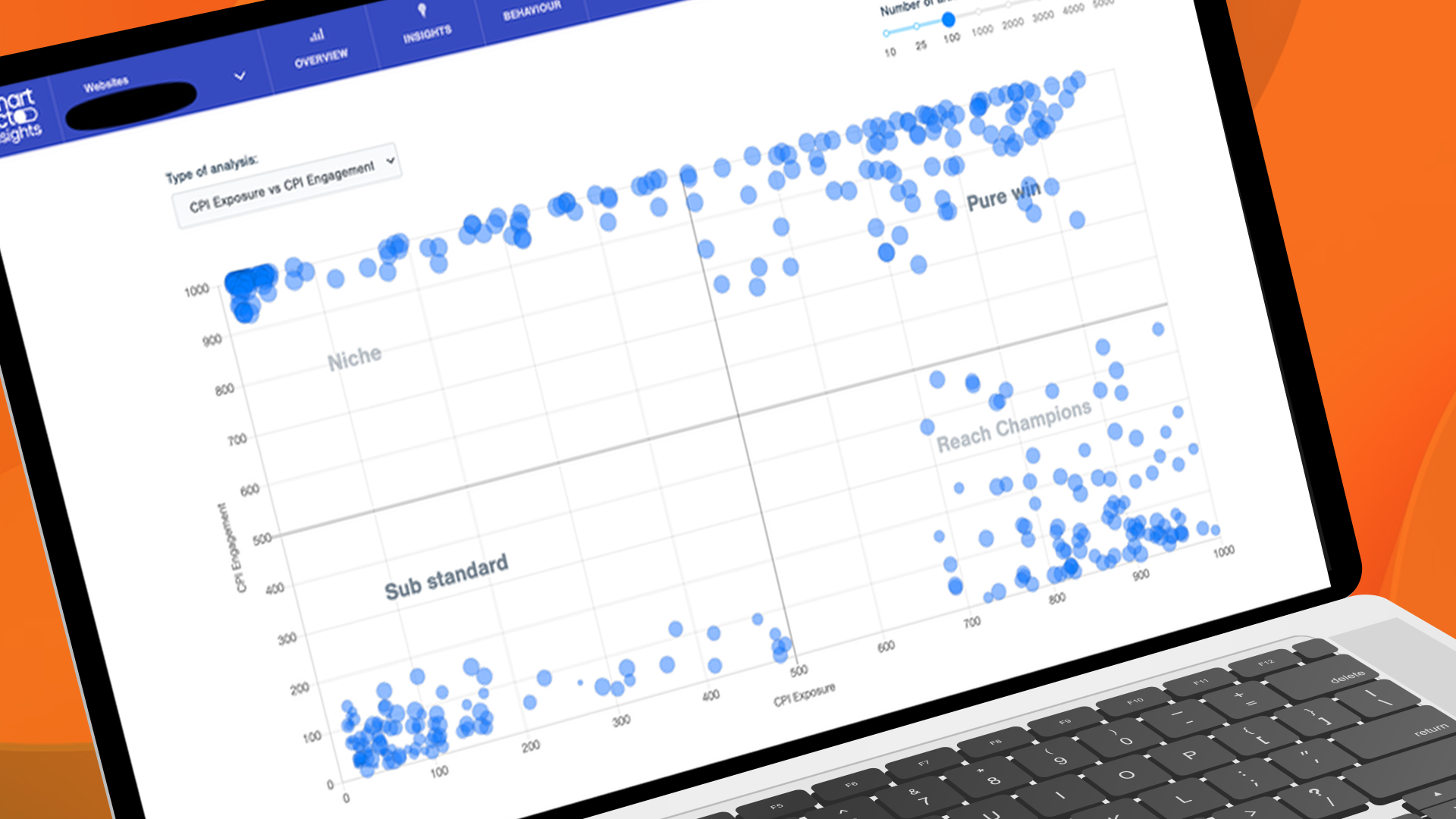
On one axis we might put reach and on the other engagement. With that, you’ll see the distribution of topics (or even stories) that have an impact on your audience (top right) or the ones that don’t (bottom left).

Why's this significant?

  1. While article in the top right quadrant obviously perform well, our research has found that articles in the top right of that subsection convert 20 times more people than the average.
  2. Good niche articles need to get more distribution.
  3. Reach champions need enrichment.
  4. And, as already mentioned, stop publishing articles which cover topics that always land in the bottom left.

The user experience is intuitive. If you click on any dot in the quadrant for example, you’ll find further details and insights about that article.

Dragutin Miletic co-founder and CTO @ smartocto

The Quadrant Model in action

Belgian-Dutch publisher DPG Media uses a variant of the Quadrant Model for strategic reasons. Their goal is to convert more visitors to a premium membership. We at smartocto were inspired by the joint collaboration on this subject and created a more generic version of the Quadrant Model.

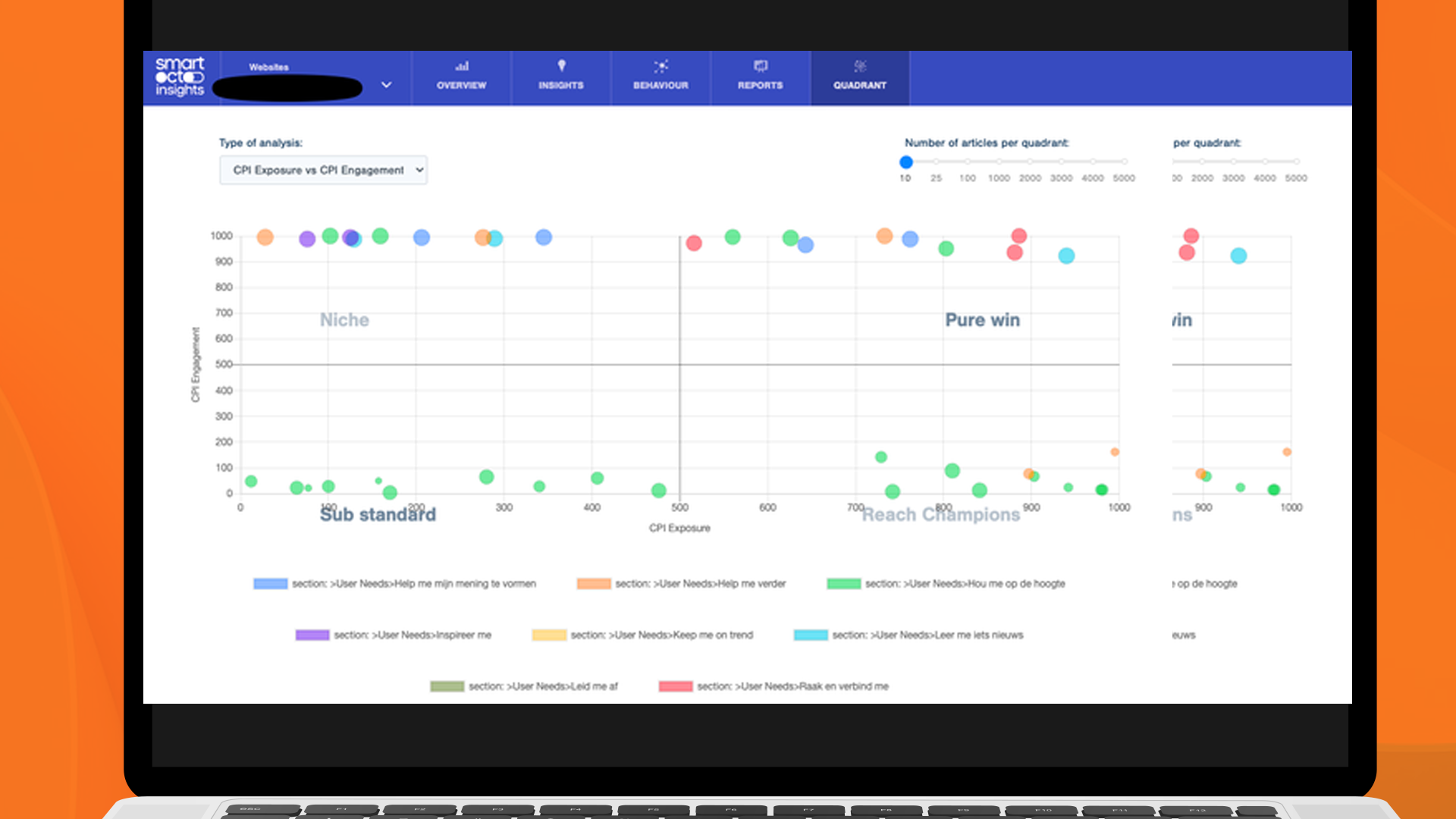
  • There’s a sliding scale to enable you to include fewer or more articles in the analysis. So, you might elect to see just 10 in each quadrant, or hundreds. As to how these are selected, it’s done by most extreme to highlight outliers. Necessarily the further down this list you go, the more likely you are to see dots appearing in the middle of the quadrant.
  • The size of the balls on the diagram mean degree of loyalty. That’s the 1.0 version. This might change in the future. You could also arrange it so the size of the balls represents the number of articles of that type (be it organised by user need or topic etc).
  • You can see which authors bring the reach, who brings the loyalty.
  • You can click on a dot and drill down to see how that individual article is performing - and how it has performed.
  • You can filter on user needs, as seen below.

While the user needs-centric content strategy is the base for successful digital publishing, the Quadrant model, introduced by smartocto, takes its content analysis and actionability in the newsrooms to the next level. The model applied to your output not only will always surprise and challenge you, it has the potential to inform and impact your product strategy, too. In digital publishing, content is product, and therefor the Quadrant Model is essential for effective, aligned and focused creativity.

Dmitry Shishkin User needs expert

Solutions tailored to your sector

We can show you lots more features in a live demo - and answer any specific questions you have as well. Request your demo now or check out one of the packages we offer:

News
Brands
Sports
User needs
E-commerce
Academy

Check out the other features smartocto has to offer here