It’s important to keep up to date with what’s happening on the big distribution platforms - especially given their mercurial algorithms. We last wrote about Google Discover in January 2026, but there’s already changes worth paying attention to. Here’s your quick reference guide to what’s going on, why you should care - but mostly, what to do next.
Google Discover & your newsroom
May 14, 2026 by Em Kuntze
What is Google Discover?
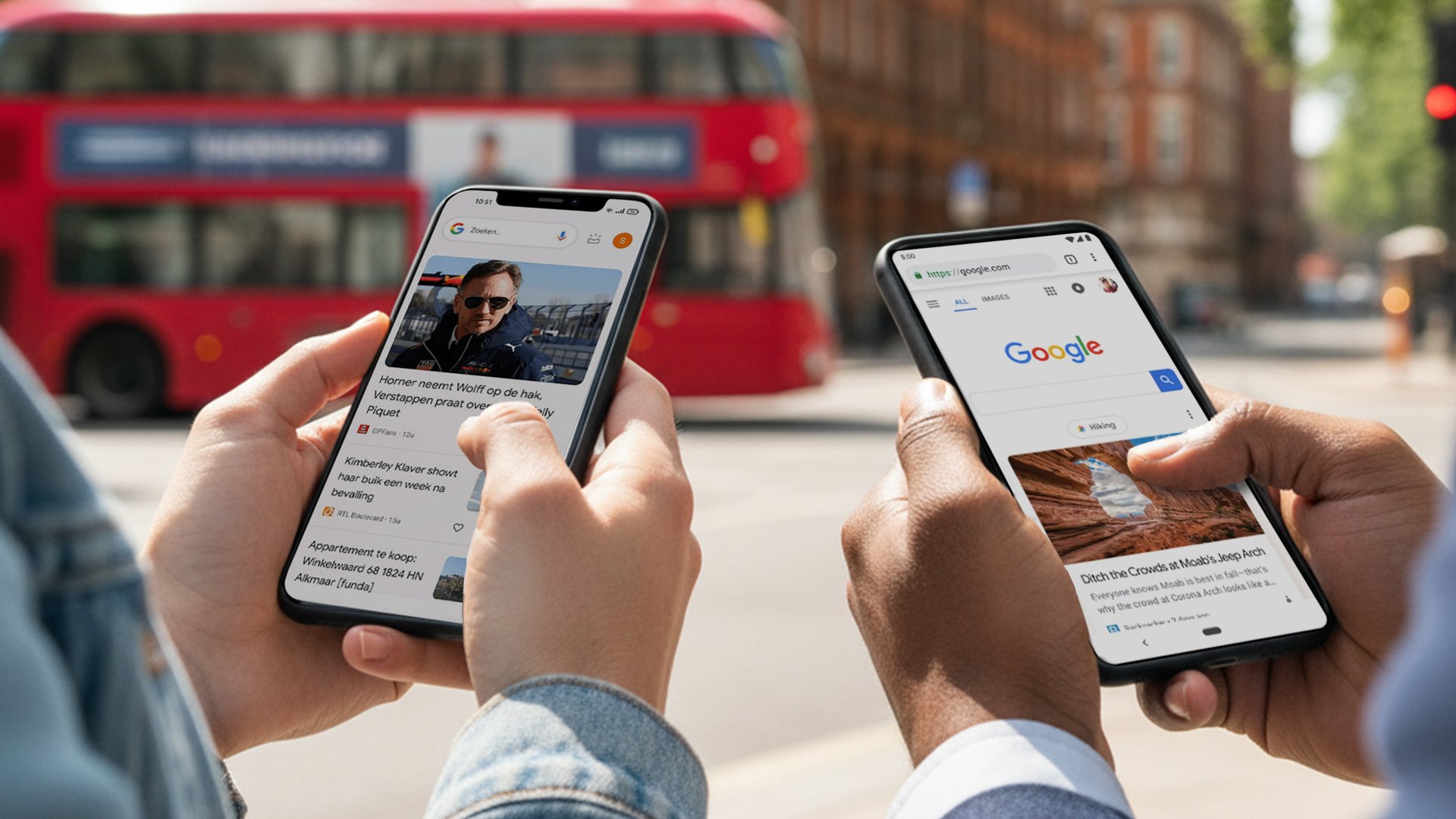
It’s essentially a personalised news feed embedded in various Google Search products. On Android devices, it’s accessed by swiping right from the home screen. It’s also visible when you open the Google app on phones and tablets (including iPhones and iPads), as well as in the Chrome browser on mobile devices. However, Discover is not available on desktops.
Google curates the feed using an algorithm and personalises it based on users’ behaviour across the web and apps. It features current content indexed by Google in accordance with their content policies.
Why are people talking about it now?
Simply because the goalposts keep shifting.
Even in the months since the New Year, the benefits and downsides to Discover have been tracked - and the messages are confusing. This isn’t a negative comment on industry reporting, but in fact a demonstration of how mercurial the terms of engagement are for Google Discover. It’s very hard thing to please and to get a handle on, it would seem:
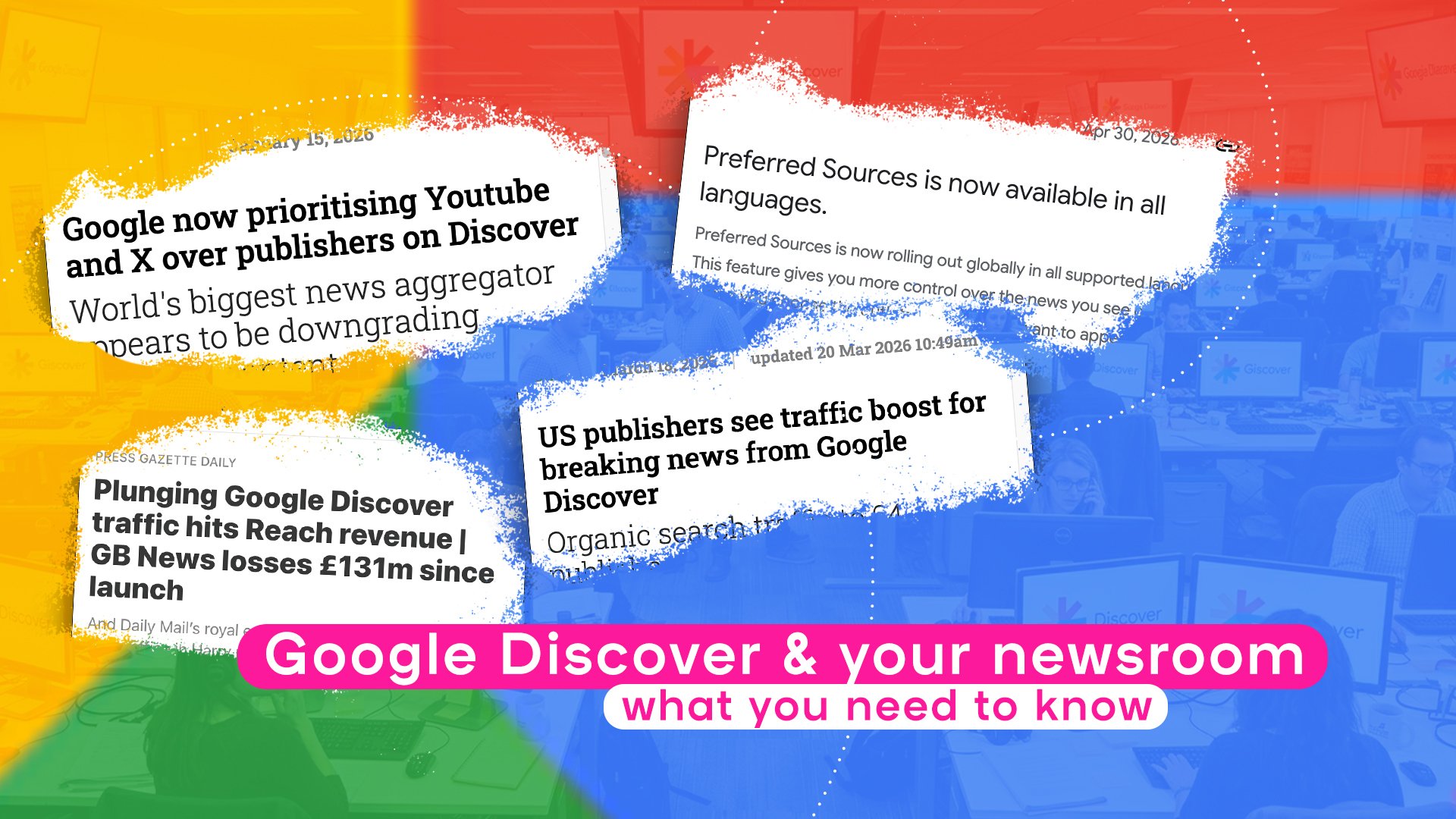
- In January, Press Gazette’s editor in chief reported that Discover appeared to be prioritising content originating from YouTube and X over that from publishers.
- In March, Dominic Ponsford, this time writing for Press Gazette on Substack, reported that the Reach media group had announced a dip in digital revenue, which they attributed to a decline in results via Discover, reflecting what many other publishers are also experiencing.
- Press Gazette also reported a drop in organic search traffic to 64 publishers by 42% since AI overviews launched in the States two years ago. Google Discover has been important for breaking news, where it’s “making up almost all growth in search referrals for major US news publishers.”
- Just a few days ago, at the beginning of May, Google announced that its Preferred Sources feature was now available in all languages - meaning that users have ever-increasing control over which publishers they trust and want to see content from. For publishers this means courting users’ favour and getting them to add their publisher’s button.
The upshot? What’s true today might not be tomorrow. Pandering to the algorithm is risky. The only surefire bet is to focus on the end user - not the distribution platform de jour.
And focusing on reader happiness is essential. It’s readers who are increasingly in control of their own news feeds - and generative search is only going to accelerate this. Publishers can ill-afford to expect their audience to wait for whatever news stories it deems above-the-fold-worthy.
That Google has invested so heavily in the ability for users to curate their own feeds is telling. You don’t have to look far to find articles with step-by-step guides to completely bypass Discover to create one’s own, completely bespoke news feed.
In short? Absolutely be aware of ways to maximise value with Google Discover - but do also ensure that you’re connecting your brand values with your intended audiences - and that might not be via Google Discover. That’s another article for another day.
For now, back to Google Discover.
What do you need to know to harness its power/ potential?
The question we get asked is ‘Why do articles end up there - or not?’ Put another way: how can you give your content the best chance of appearing via the Google Discovery list?
1/Do it yourself
SEO specialist, Metehan Yesilyurt, unpicked much of Discover’s wishlist last summer, which you can (and should) find out more about here and here. Google, he concludes, looks at 9 fundamental things to assess whether a piece of content should appear in Discover, which means it:
- Crawls and understands your content
- Reads key meta tags like your image and title
- Classifies your content type (e.g., breaking news or evergreen)
- Checks whether you’re blocked
- Matches your content to user interests
- Applies a server-side click-through rate prediction model
- Builds the feed layout
- Delivers your content
- Records user feedback
On his substack, a more recent analysis (written Feb 24 2026) distills this even further and identifies how Discover prioritises content:
- Age of article - or, “freshness buckets”. Discover identifies three ranges. The top line? Content that’s less than a week old has the best chance of being highlighted.
- User power: “The 'block' is triggered when a user taps ‘Don’t show content from [Publisher].’ One article. One user action. Entire domain suppressed.”
- pCTR (Predicted Click through Rate model) - Titles MATTER. Quality of titles is incredibly important as it helps inform the prediction models in play. If the title is misleading or incomplete, the article will be penalised.
- Images. These need to be the right size, with the right metadata, links and resolution.
What you can take from this analysis right now, without the need for any additional tools, are these things:
- Fresh content matters. This isn’t about being first, it’s about being fresh.
- Ensure you give your readers every opportunity to cultivate a relationship with you. You don’t want to be blocked, you want the opposite: to nurture loyalty. Ensure you’re publishing articles that have a clear purpose, value and perspective. Things that destroy trust? Misleading or clickbait-y headlines, articles which don’t fulfill the promise of those headlines and articles which could have been produced by anyone, anywhere. Context-giving articles are a great way to do this: seek to help readers understand or gain perspective.
- Images aren’t just a window to the soul of your article - they’re opportunities to leave trails of SEO-friendly breadcrumbs as well. Ensure the backend is tidy and neat. Ditto headlines.
- Tag your articles. Make sure your metadata is solid.
2/Do it with us
Unfortunately there’s no silver bullet that’ll guarantee you top billing on Discover, but you can make good use of editorial analytics to give your articles the best chance of success.
“Since the algorithm keeps changing”, says our client success manager, Milena Tihojević, “the best thing we can offer is the way of knowing which stories are high 'reachers and engagers', which Discover often favours.”
For example, the smartocto tool allows users to filter the traffic coming from Discover. This allows you to observe how readers coming from Discover consume the content, and which sections, topics, articles and authors did best within that segment. This may allow users to create a blueprint for what works for you.
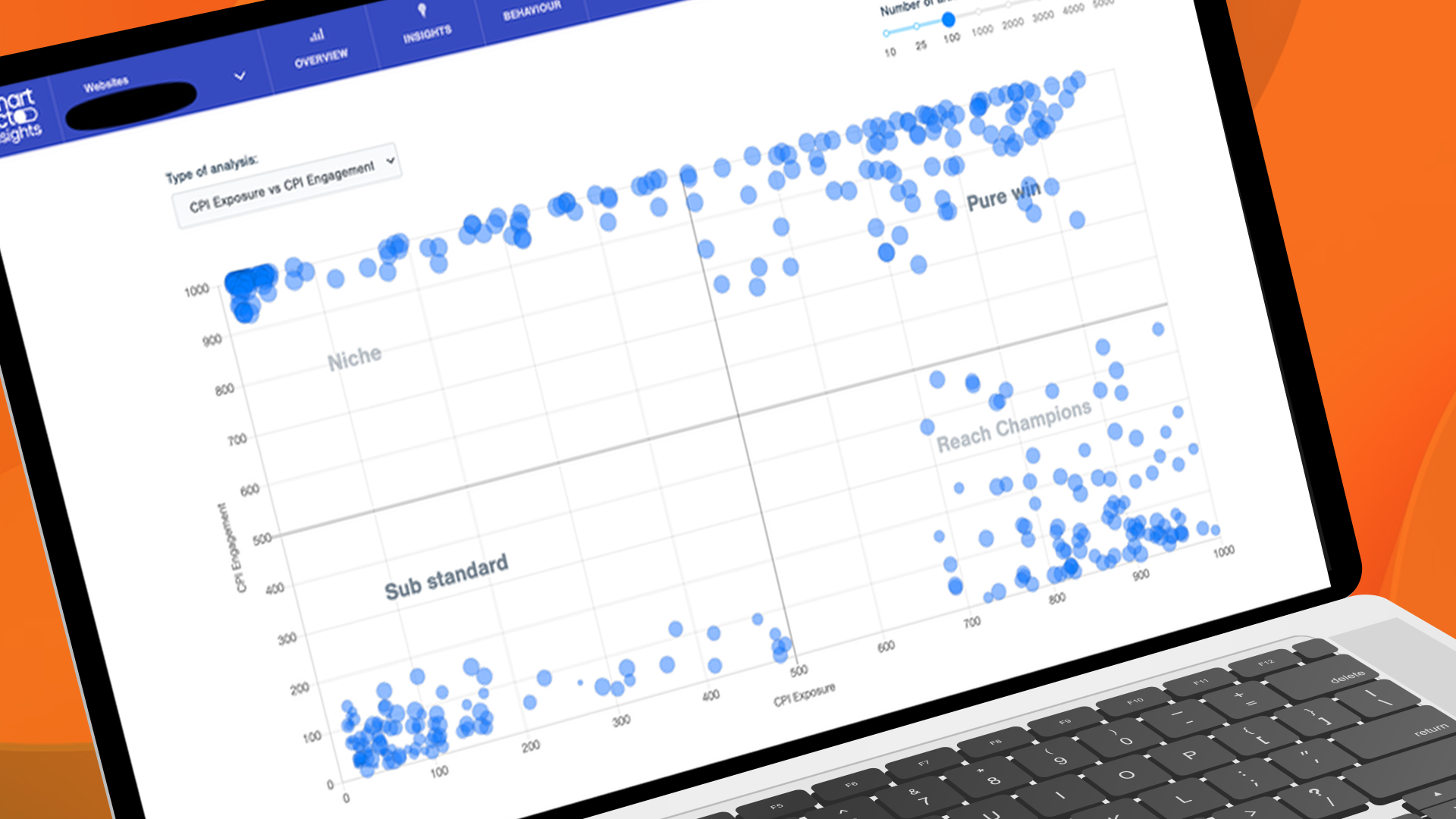
Features like our Quadrant model (available as part of Insights) enable users to see the traffic trends (growth and decline of different metrics) from Google Discover traffic through time and lets newsrooms see what works well - and what doesn’t.
3/Go all in
Your publication has a viewpoint and it should have an identity that’s uniquely your own.
We usually ask our clients this million-dollar question - and it’s worth pausing over how you answer it, because it really does matter a great deal:
"What would your audience lose if your publication disappeared tomorrow?"
They absolutely should lose something. They should feel a loss of a one-of-a-kind viewpoint. There needs to be something that makes them consume the news on your platforms and channels, something to come back for, something they appreciate. And you need to build on that.
This relates to the Google Discover saga because you should first and foremost be addressing your specific readership, not attempting to appease the Google gods.
<<Getting referral traffic from third party platforms like Google Discover is not something you should rely on, it’s not a strategic path since you don’t control the outcome. The algorithms get changed constantly and optimising for something you don’t control is like bringing water to the sea. So use tools like smartocto to become audience centric, create stories your audience actually cares about, use the user needs model to better understand when to educate, engage, divert or even help your reader base and enjoy the waves of extra traffic from Discover if they come in - but that’s just the ice cube in your cocktail glass … not the actual gin. Get your strategy in order>>
What’ll happen if you do none of these things?
As we all know, the rules of Google, Meta and - increasingly the GenAI bigwigs - are nothing if not changeable. What’s best practice today may not be in three months’ time.
That said, this doesn’t mean you should ignore these changes.
What is true is that the industry is developing forward. Stay where you are, and you’ll get further and further behind with each iteration SEO and GEO makes.
As noted before, algorithms are tricky. What’s true now may shift in the coming months. We’ll keep you updated. If you’re not already subscribed to our monthly newsletter, it might be a good idea to do so now.